

what are peptides?
Peptides are short chains of amino acids linked by peptide bonds, typically containing 2–50 amino acids. They are the building blocks of proteins and perform diverse biological functions, including signalling (hormones and neurotransmitters), immune responses (antimicrobial peptides), and regulation of physiological processes (enzyme inhibitors, receptor ligands). Synthesised naturally in cells or produced synthetically, peptides are used in biomedical research, diagnostics and therapeutics due to their specificity, relatively small size and often favourable safety profiles compared with larger proteins.
NE Peptides is joining the global effort in peptide research. We supply high-quality peptides for research use, supporting academic, preclinical and investigational studies worldwide. Our commitment includes rigorous synthesis standards, purity verification, secure packaging and reliable delivery to help researchers advance peptide science safely and reproducibly.
Benefits of peptides
High specificity: Peptides can be designed to target specific receptors or pathways with minimal off-target effects.
Versatility: Useful across disciplines including endocrinology, oncology, neurology, immunology and metabolic research.
Rapid discovery and optimisation: Short development timelines and straightforward sequence modifications enable quick iteration.
Predictable metabolism: Generally well-characterised degradation pathways and rapid clearance make dosing and pharmacokinetic studies manageable.
Tool compounds for mechanism elucidation: Peptides serve as agonists, antagonists, modulators or delivery vehicles to probe biological systems.
Peptide conjugation and delivery: Peptides can be conjugated to carriers, labels or stabilising moieties to expand functionality.
Popular peptides and short benefits
Retatrutide
Weight regulation and metabolic effects: Investigated for potent reductions in body weight and improvements in glycaemic control.
Multi-receptor activity: Engineered to target multiple incretin receptors for enhanced efficacy versus single-receptor agents.
Potential cardiometabolic benefits: Associated with improvements in biomarkers relevant to cardiovascular risk.
Useful for preclinical metabolic and pharmacodynamic studies.
GHK-Cu
Tissue remodelling and repair: Promotes wound healing, collagen synthesis and skin remodelling in preclinical models.
Anti-inflammatory and antioxidant actions: Modulates cytokine expression and reduces oxidative stress markers.
Hair growth and skin health research: Used as a bioactive peptide in dermatological and cosmetic studies.
Biomarker modulation: Useful in studies of matrix metalloproteinases, growth factors and extracellular matrix dynamics.
Research use and quality assurance All peptides supplied by NE Peptides are for research use only (RUO). We provide certificates of analysis, specified purity levels and documentation of synthesis methods upon request.
Contact NE Peptides for peptide availability, custom synthesis enquiries and technical support to support your research needs. Message us on Instagram if you need further support or want to see our testimonials we are one of the most reputable research facilitators in Europe we offer worldwide shipping & have numerous returning research groups that come to us and several good reviews - @nepeptides

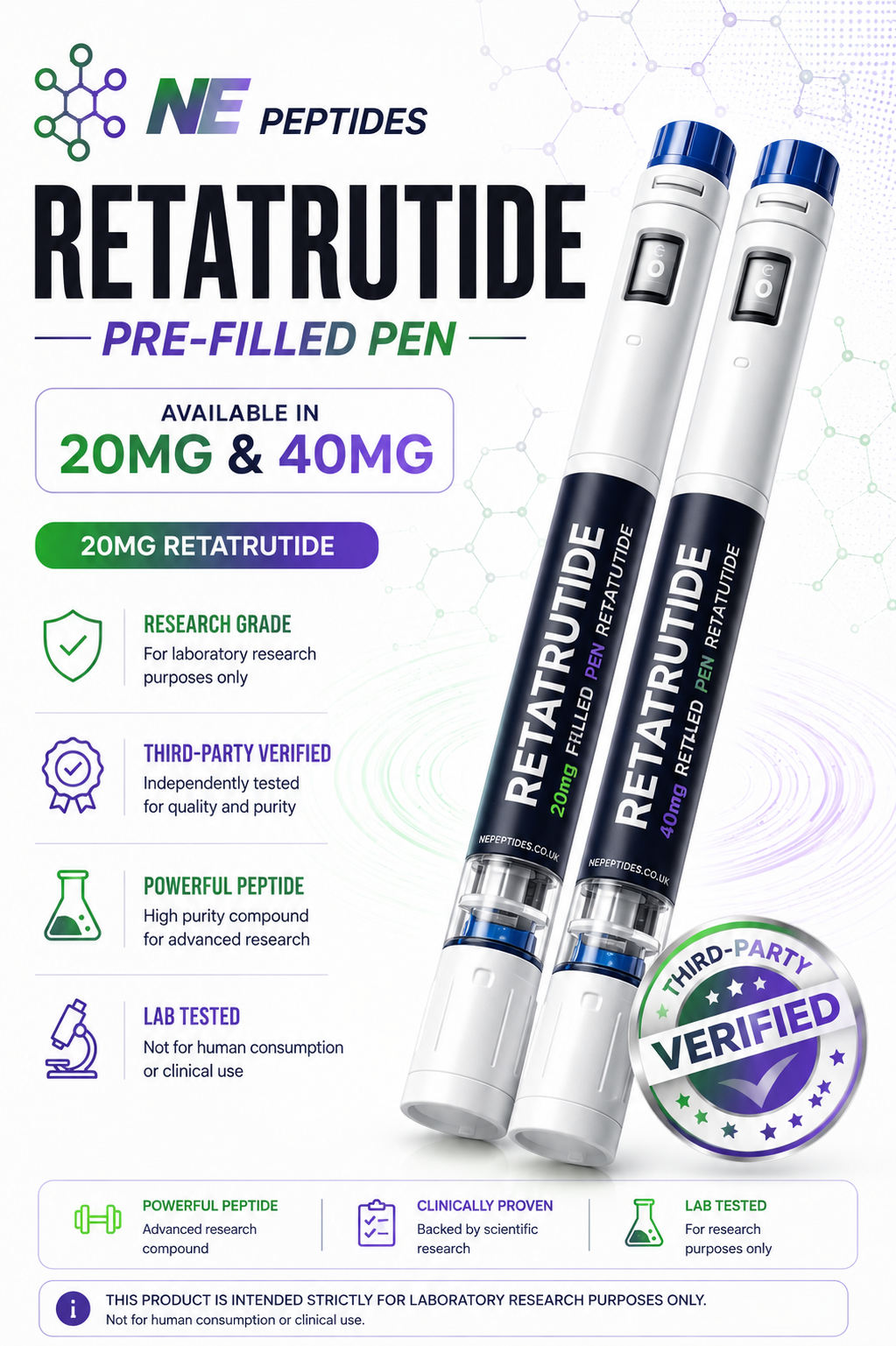
Retatrutide — a next-generation peptide tool for metabolic change
retatrutide, a novel triple-receptor agonist that activates GLP-1, GIP, and glucagon receptors. Engineered for potent, multi-pathway modulation of energy balance, glucose homeostasis, and weight regulation, retatrutide enables researchers to probe combined incretin and glucagon signaling with a single, well-characterized molecule.
Key research advantages
Mechanistic breadth: Simultaneous activation of GLP-1, GIP, and glucagon receptors allows study of integrated effects on appetite regulation, energy expenditure, hepatic metabolism, and insulin sensitivity — revealing interactions not accessible with single-receptor ligands.
Robust pharmacology: Retatrutide has demonstrated strong, dose-dependent effects on body weight and glycemic control in preclinical and early clinical evaluations, making it a reliable probe for dose–response and mechanism-of-action studies.
Translational relevance: Early human data indicate predictable metabolic responses, supporting translational studies from animal models to clinical hypotheses and biomarker development.
Experimental versatility: Suitable for acute and chronic dosing paradigms to examine short-term signaling events, inter-organ crosstalk, or long-term adaptations in adipose tissue, liver, pancreas, and central nervous system circuits.
Biomarker and pathway discovery: Use retatrutide to identify downstream molecular signatures (transcriptomic, proteomic, metabolomic), signaling cascades, and potential combination targets for future therapeutic strategies.
Suggested research applications
Comparative pharmacology: Contrast single- and dual-agonists with retatrutide to deconvolute receptor-specific versus synergistic effects on appetite, body weight, and glucose regulation.
Mechanisms of weight loss: Dissect contributions of reduced food intake versus increased energy expenditure and tissue-specific substrate utilization.
Hepatic metabolism and NAFLD/NASH models: Investigate direct and indirect effects on hepatic lipid handling, inflammation, and fibrosis pathways.
Islet biology and insulin dynamics: Examine effects on beta-cell function, insulin secretion dynamics, and incretin sensitivity.
Central nervous system effects: Map hypothalamic and reward-circuit responses to combined incretin/glucagon signaling.
Biomarker discovery for clinical translation: Identify peripheral and central biomarkers predictive of response or adverse effects.
Practical considerations for researchers
Dosing and formulation: Establish dose-ranging studies to define receptor occupancy windows and separate central versus peripheral effects. Use appropriate vehicle and stability controls for peptide handling.
Species selection: Consider interspecies differences in receptor pharmacology when designing translational experiments; include nonrodent models where receptor homology supports translation.
Safety and tolerability endpoints: Monitor cardiovascular, hepatic, and metabolic safety markers in chronic studies given glucagon receptor activity.
Combination studies: Evaluate interactions with lifestyle interventions, existing antidiabetic agents, or targeted modulators of energy balance.
Analytical endpoints: Integrate metabolic phenotyping (indirect calorimetry, body composition), molecular assays, and imaging to capture multidimensional effects.
Available for research purposes
Not for human consumption
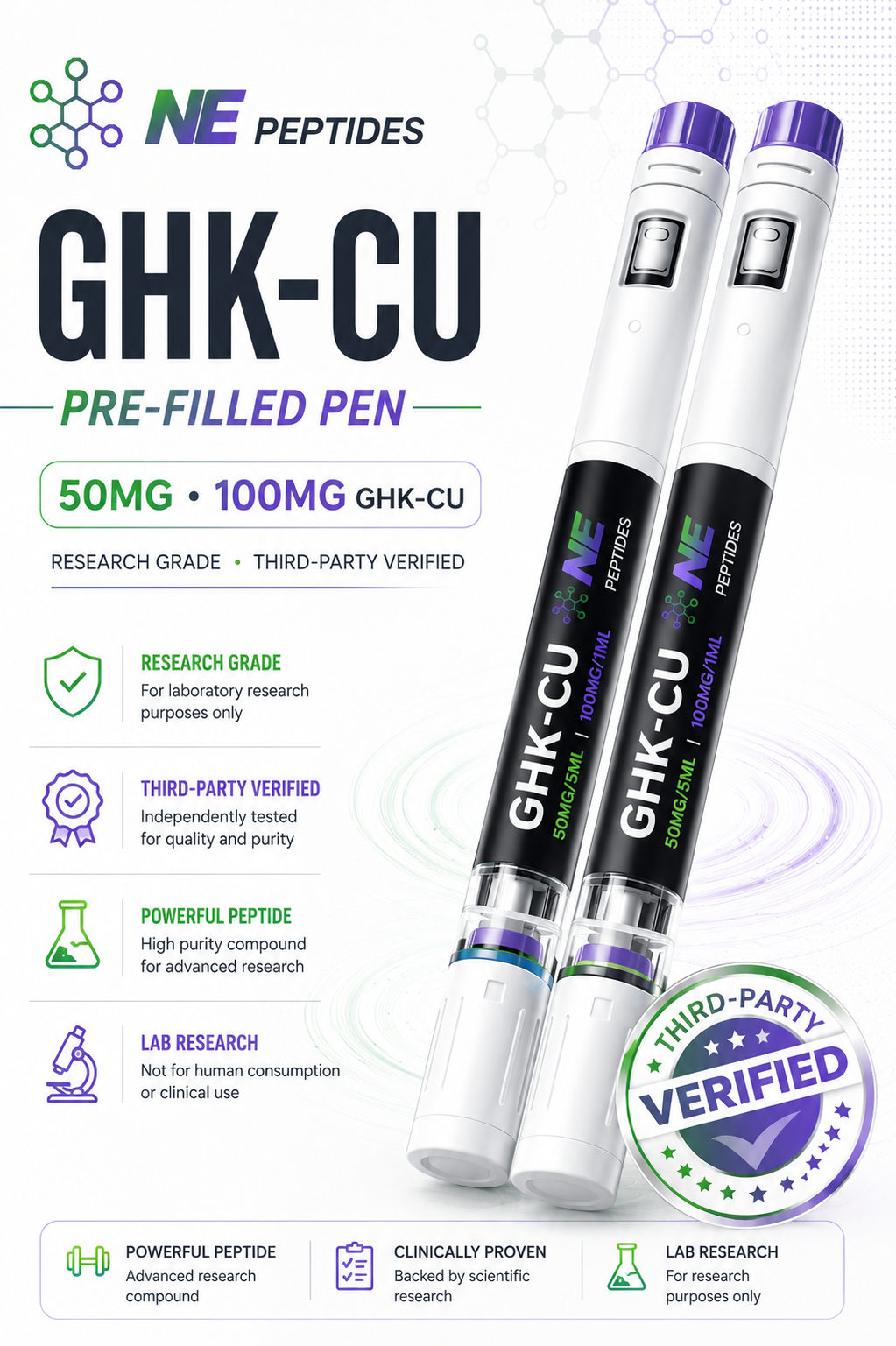
Transform skin recovery and rejuvenation with the GHK-Cu Prefilled Pen — a precise, convenient, and clinically inspired delivery system designed for professionals and informed consumers seeking reliable peptide therapy.
Why GHK-Cu?
Potent, multi-action peptide: GHK-Cu (glycyl-L-histidyl-L-lysine copper complex) is well-studied for supporting collagen synthesis, improving skin firmness, accelerating wound healing, and reducing inflammation and oxidative stress.
Evidence-backed results: Research demonstrates GHK-Cu’s ability to stimulate extracellular matrix production, promote fibroblast activity, and improve skin tone and elasticity with consistent use.
Why the Prefilled Pen?
Accurate dosing: Each pen is calibrated to deliver a precise microdose every application, eliminating guesswork and ensuring consistent therapeutic exposure.
Ready-to-use convenience: Sterile, single-use cartridges reduce preparation time and contamination risk. No mixing, no measuring—just reliable application.
Ease of administration: Ergonomic design and intuitive dosing mechanism make it suitable for clinical use and for trained at-home administration when supervised by a provider.
Portability and discretion: Compact, travel-friendly form factor lets patients continue treatment adherence with minimal disruption to their routines.
Quality and stability: Formulated and filled under controlled conditions to preserve peptide integrity and potency throughout the recommended usage period.
Clinical and Cosmetic Benefits
Faster recovery from procedures: Supports tissue repair and reduces downtime after microneedling, laser resurfacing, and minor surgical interventions.
Improved skin architecture: Promotes collagen and elastin production to reduce fine lines, improve firmness, and restore youthful texture.
Enhanced wound healing: Encourages efficient healing pathways and reduces scar formation risks.
Anti-inflammatory and antioxidant support: Helps calm post-procedural erythema and oxidative damage for a clearer, healthier complexion.
Who should consider it?
Aesthetic clinics and dermatology practices seeking a streamlined peptide solution for patient protocols.
Practitioners offering post-procedure care to shorten recovery times and improve outcomes.
Educated patients under provider guidance who want a professional-grade peptide treatment with consistent dosing.
Safety and guidance
Available for research purposes
Single-use cartridges and sterile packaging minimize infection risk. Follow storage
Research purposes only - research grade real tests not Chinese tests. Tests carried out third party via supplier based in US anymore information contact us via socials.
Not for human consumption - strictly for research purposes only inviro only - Not medical advise - at NE Peptides we promote only research
Contact us
Interested in working together? Fill out some info and we will be in touch shortly. We can’t wait to hear from you!
ANY ENQUIRIES PLEASE DO NOT HESITATE TO EMAIL US